Mads Tech Says
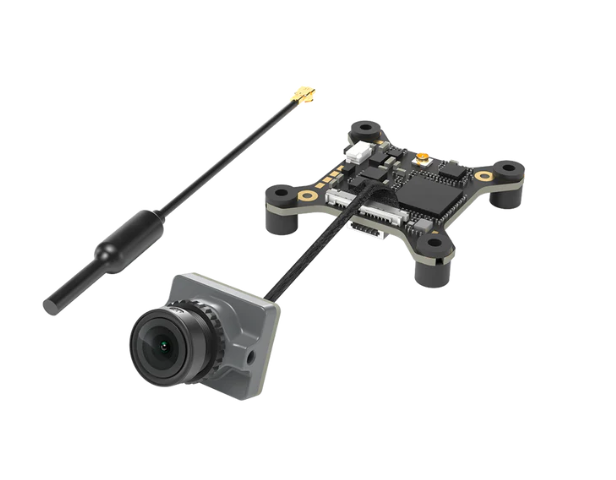
The Ascent lite VTX is the standalone version of the Ascent VTX first found in the Caddx Protos drone.
Ascent is Caddx’s second digital FPV system offering 60fps digital FPV at a lower price point. Ascent is a 5.8Ghz 2 way transmission system based around the Artosyn ARLink AR803X/AR8030 chipset. It supports transmission bandwidth of 5/10 & 20Mhz and a maximum bitrate of 25Mbps.
Other produces using the AR803X series do support higher bandwidth however its not clear if the Ascent limitation is chipset or design related.
Ascent Lite VTX supports MSP DisplayPort OSD has no onboard DVR.
Caddx Ascent – Caddx FPV Say
Best Value Digital Entry Choice
Offering HD image and low latency at an unbeatable price, it’s the perfect upgrade for analog pilots, and a cost-effective entry for DIY Builder.
6g Ultra-Light, Low Power
Weighing only 6g, this ultra-light VTX reduces drone load for smoother, more agile flights.With up to 30% lower power consumption than similar units, it extends flight time and efficiency.
Crisp, High-Definition Visuals
Equipped with a 1/2.8” image sensor, it captures every detail with stunning clarity. Enjoy 1080P/60FPS smooth video for a truly immersive FPV experience.
Low Latency, Real-Time Control
With latency as low as 35ms, you get near-instant image transmission. Perfect for high-speed maneuvers and precision racing control.
Compatibility
This VTX is only compatible with Caddx Walksnail Ascent product and at the time of writing the only goggle available is the Caddx Ascent FPV Goggles.
CaddX have stated they intent to release a VRX module and other goggles in the future.
Ascent VTX and Goggles are not compatible with the Avatar HD products from Caddx.
Caddx Ascent FPV Latency
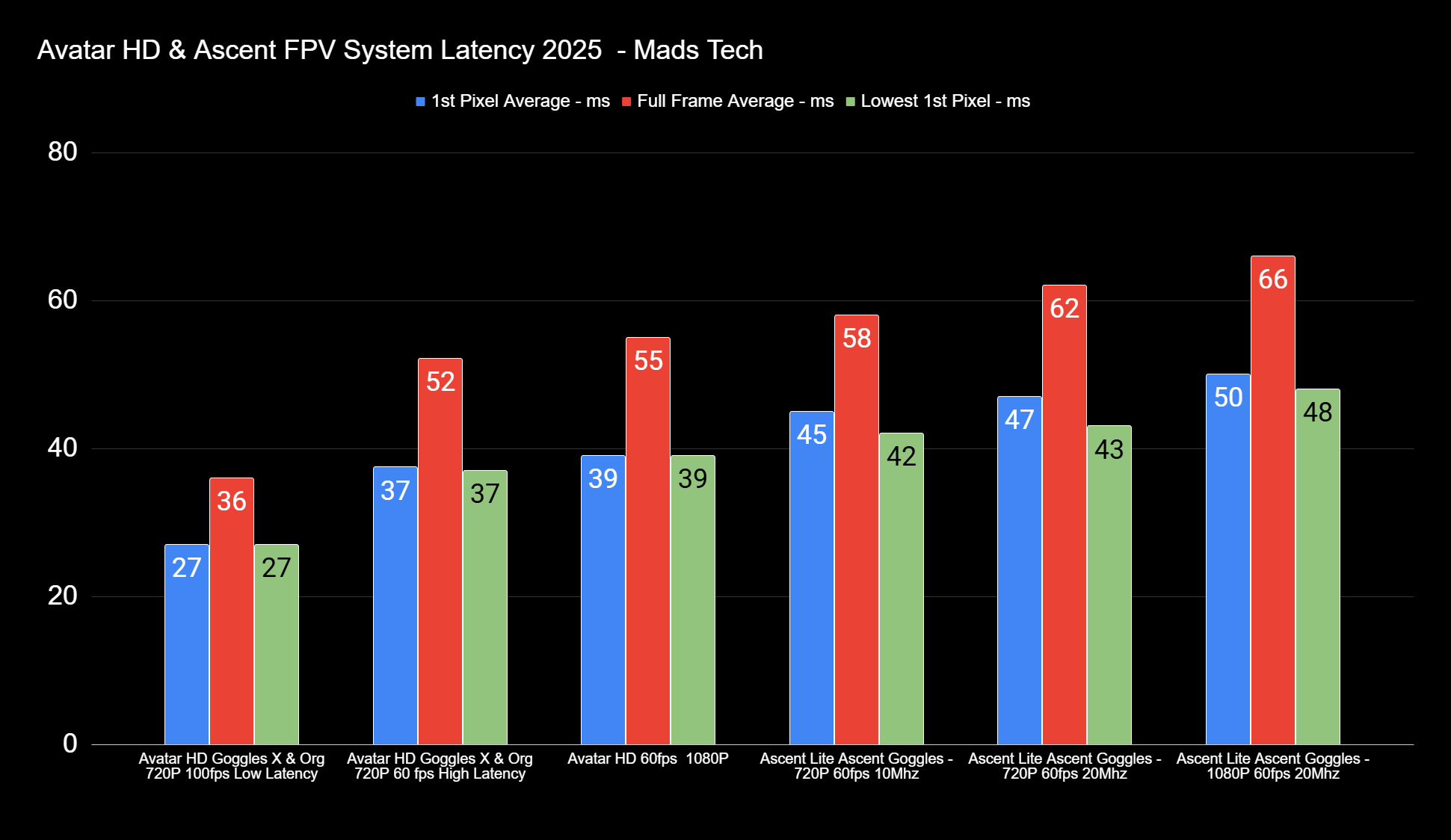
I my testing I have found the latency on the Ascent system to be higher than expected for a 60fps system. It is not clear if this is VTX or Goggles related at this time.
The following tests were performed on Ascent with the Goggles Ascent on initial release firmware.
Videos
Caddx Protos Ascent
Specification
Name Ascent Lite VTX
Model WN13-4S09B
Communication Frequency 5.730-5.815 GHz
Transmit Power (EIRP) FCC/SRRC:<20dBm; CE:<14dBm
Channels 3
Weight 6g (Antenna not included)
Mounting Hole 25mm
Ratio 16/9
Resolution 1080P/ 60fps, 720P/ 60fps
Image Sensor 1/2.8 inch
Operating Bandwidth 5M/ 10M/ 20M/ Auto
Antenna 1(Ipex-1)
End-to-End Latency Average latency 35ms
OSD Canvas mode
Bitrate25mbps
Supported FC Systems Betaflight; Inav; Fettec, Kiss; ArduPilot
Wide Voltage Input 3V~12.6V
I/O Interface JST1.04 (Power cord); HSG0.85(USB)
Dimensions Camera:121415mm & VTX: 30.530.53.5m
Technical Details
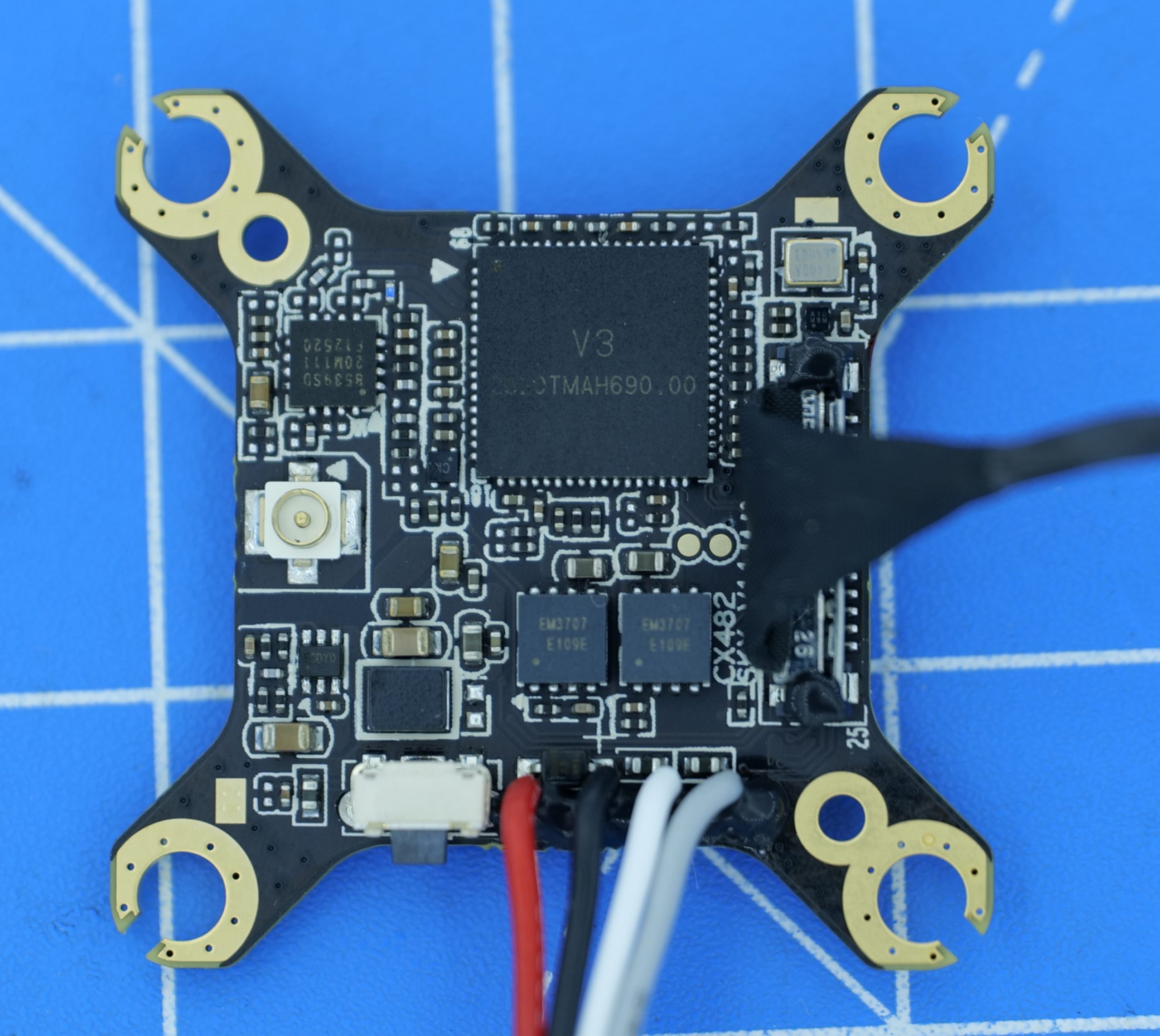
Main SOC (Masked IC) – Hisilicon Hi3516CV610
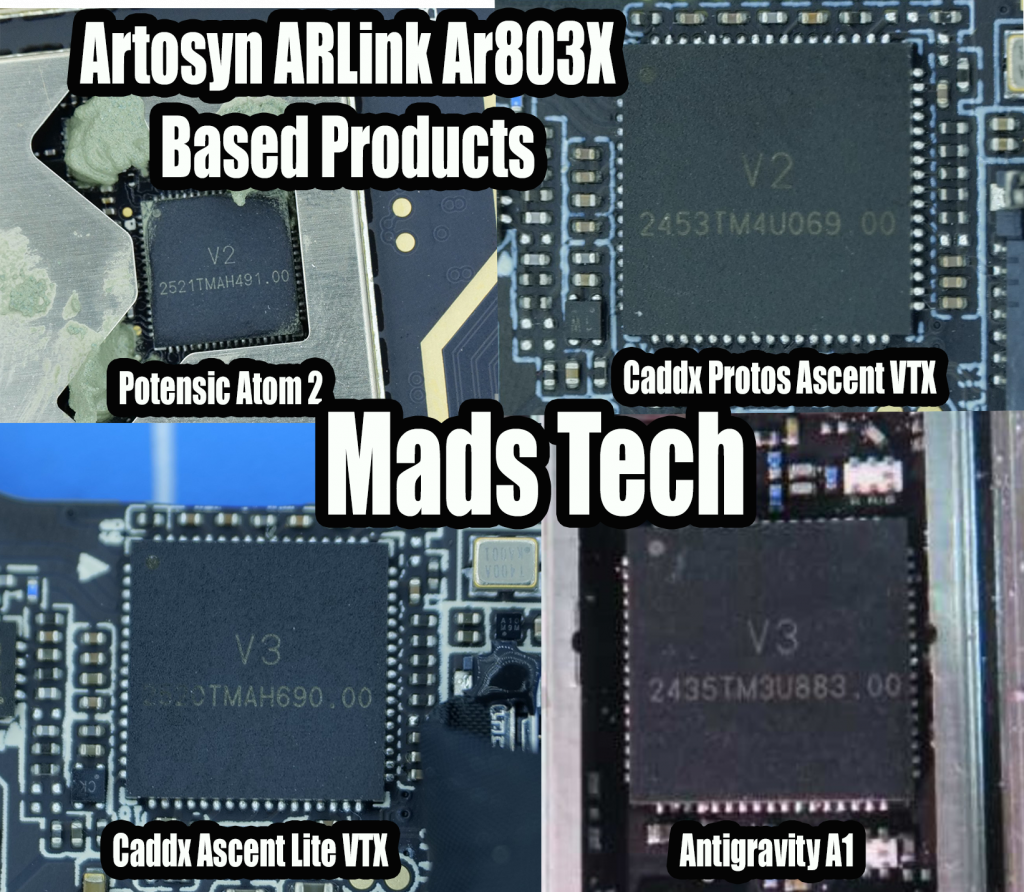
RF Baseband & Mux – V3 2520TMAH690.00 – Artosyn AR803X Series
Flash – Winbond Nand 25N01GVZEIG
Note: In the Protos drone the Artosyn AR803X chipset is labelled V2 2453TM4U069.00
Teardown Images
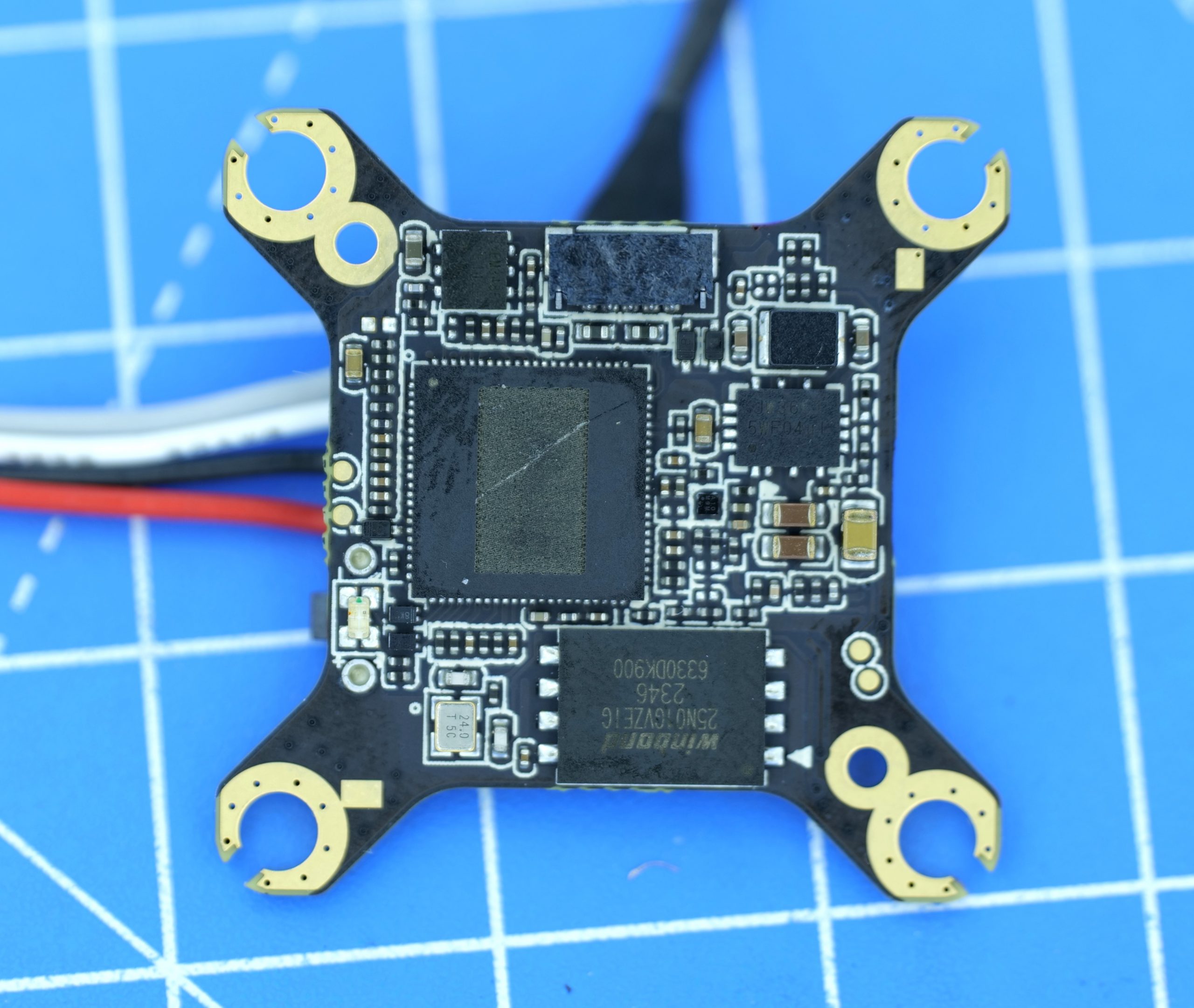
CaddX Ascent RF Chipset Origin
Caddx FPV had publicly stated that “The Ascent HD system chipset was independently designed by Caddx ” the RF chips is the Artosyn AR Link AR8030 and the ISP from HiSilocon
Artosyn – Shanghai Coolcore Microelectronics Co., Ltd ARLink AR8030 / AR8030 Series
A number of other consumer drone products use Artosyn based chipsets including Caddx Avatar HD that Uses the AR9201 series.
The AR8030/AR803X supports a range of 150Mhz to 7Ghz, up to 160Mbps data rates and offers up to 15Km range. At launch Ascent supports 5/10/20Mhz Carrier bandwidth on download and 5Mhz on upload modes and a maximum bitrate rate of 25Mbps.
Other products including the Potensic Atom 2 and the Antigravity A1 360 drone also used the Artosyn AR803X series of chipset.
More info on Artosyn AR803X – http://www.artosyn.cn/official_product/list/9/11.html
Article on Artosyn AR8030 – https://m.zhidx.com/p/380898.html